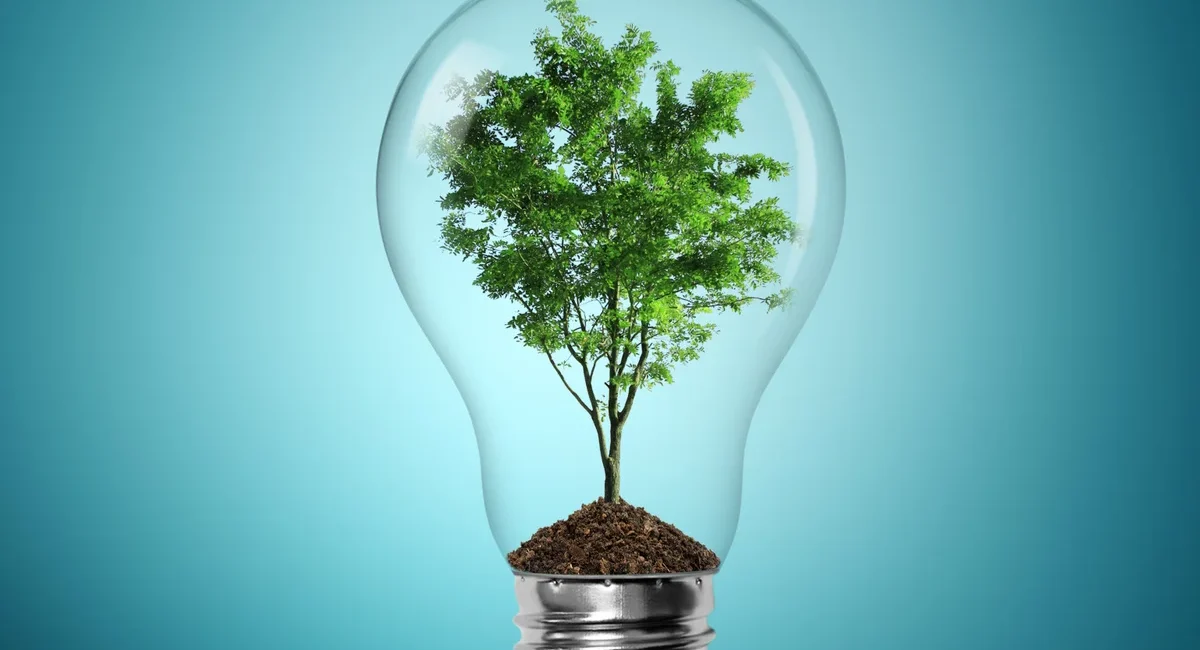

Every year brings inventions—but 2025 seems especially rich in ideas that solve real problems, improve lives, and stretch our imaginations. Here are some of the standout inventions from this year, from medicine and sustainability to lifestyle and gadgets.
1. Self-Healing Concrete: Infrastructure That Fixes Itself
One of the most practical breakthroughs comes from materials science. Scientists (from places like MIT and Cambridge) have developed self-healing concrete, which contains dormant bacteria and calcium lactate. When water enters cracks, the bacteria activate and deposit limestone, sealing gaps in 24-48 hours. Vocal
Why this matters:
- Much lower maintenance costs for roads, bridges, buildings.
- Improved safety: fewer structural failures.
- Sustainability: less frequent need to replace or repair, cutting material waste.
2. Needle-Free Injections: Getting Rid of the Poke
At CES 2025, a device called BoldJet from a company named FlowBeams was showcased. It uses lasers to heat liquid and then propels it in high-velocity micro-jets through the skin, delivering medicine without a traditional needle. Smithsonian Magazine+1
Benefits:
- Less pain and fear for patients (important especially for kids or needle-phobic individuals).
- Reduced medical waste and risk of accidental needle injuries.
- Potentially smoother vaccine campaigns and better compliance.
3. Electric Salt Spoon: Taste Without Excess Salt
Too much salt in diets is a global health issue. The Electric Salt Spoon by Kirin (from Japan) uses weak electrical currents to enhance saltiness and umami taste on the tongue. You can dial up/down the intensity. The idea: you enjoy flavor, reduce actual sodium intake. Smithsonian Magazine+1
Potential:
- Helps people manage hypertension and related health concerns.
- Could be used in healthcare settings or for health-conscious consumers.
- Raises interesting ethical questions: if flavor can be artificially enhanced, how will food industries adapt?
4. Air-to-Water Devices & Coffee Made from Thin Air
Water scarcity is a serious issue in many parts of the world. One recent invention is a solar-powered device that extracts clean drinking water from air (humidity). On a lighter note, another device called Kara Pod combines that concept with coffee: it pulls water vapor from the air, filters it, and brews coffee using plant-based pods. Smithsonian Magazine+2Baroan Technologies+2
Why this’s huge:
- Offers potential solution for regions with water scarcity, especially rural or drought-prone areas.
- Helps off-grid or low-infrastructure locations.
- Shows how inventive blending of everyday needs (coffee!) with larger problems can yield engaging, usable products.
5. Quantum & Energy Breakthroughs
While still partly in early or experimental phases, inventions around quantum tech and energy are some of the most exciting:
- Quantum batteries are rumored to be in development: energy storage with very high efficiency, near-instant charging, longer lifespan. Vocal
- There are improvements in transparent solar panels—imagine windows or screens that generate electricity while letting light in. Vocal
These technologies could fundamentally change energy usage patterns and how we design buildings, devices, and infrastructure.
6. Wearables & Health Monitoring Tools
Invention in health tech continues to accelerate:
- Non-invasive wearables that monitor hydration, glucose, blood pressure, etc., using sweat and skin sensors — real-time and continuous tracking. techfootage.com+1
- Memory-aid wearables that help people with cognitive issues keep track of tasks, routines, and reminders. These are blending AI and sensor tech to support daily living more subtly. Archyde+1
Common Themes & Why They’re Exciting
From reviewing these inventions, several trends emerge:
- Health & Accessibility: Many inventions aim to remove barriers—whether fear (needle-free injections), physical limitations (memory wearables), or medical shortages.
- Sustainability: Self-healing materials, energy-efficient panels, devices pulling water from air—these reduce waste and push greener practices.
- User-centric design: Many inventions solve everyday problems in creative ways (taste without salt, easier gadgets, off-grid water/coffee).
- Combining disciplines: Biology + robotics, materials science + energy, sensors + AI — cross-disciplinary work is yielding the most novel inventions.
Challenges & What to Watch Out For
No invention is without hurdles. Some of the key challenges:
- Cost and scalability: Some of these inventions are expensive prototypes. Scaling them down to cost points usable in developing countries will be tough.
- Regulation & safety: Especially for medical or food-related inventions (needle-free systems, ingestible or implanted sensors), regulatory approval is a long, strict process.
- User trust and adoption: People may be hesitant to try new ways (like electric taste devices, or air-derived drinking water). Good user experience and safety proofpoints matter.
- Environmental trade-offs: Materials used, battery disposal, energy required in some devices—need life-cycle thinking to ensure net benefit.
What’s Next: What to Keep an Eye On
Here are invention areas likely to deliver more surprises in the near future:
- Lab-grown foods becoming mainstream, more flavors and types with lower cost.
- More compact, efficient energy storage (quantum batteries or alternatives) that make renewable energy more reliable.
- Smart cities embedding self-healing infrastructure and sensors.
- More AI-driven invention: AI helping invent new materials, devices, or optimizing old ones.
- Sustainable health tech: wearables that do more, with less, and are accessible even in low-resource settings.
Conclusion
Inventions of 2025 are showing that innovation isn’t just about flashy gadgets—it’s about solving problems, improving quality of life, and doing so in ways that are more sustainable and inclusive. The future’s not just around the corner; many of these inventions are already here, waiting to be adopted widely.